






Home
Service Department
Process Optimization Device
Nozzles and Feeders
P.M.D.
Machine Rebuild
Vacuum Pump Rebuild
Spare Parts
Monitor Kits
IP - QP Feeders
Feeder Calibration
Feeder Parts
CP 7 & CP 8
CP 6
CP 4
CP 2 & CP 3
QP 3
QP 2
NP 153
IP 3
IP 1 & IP 2
GL1, GL2 & GL5
Panasert Machines
Universal GSM
SMD 3 Vision System
 
 
SMD Vision Continued
<<Prev | 1 | 2 | 3 | 4 | 5 | Next>>
Common Problems Encountered. Because the tolerance is 170 for the wide-view and 150 for the
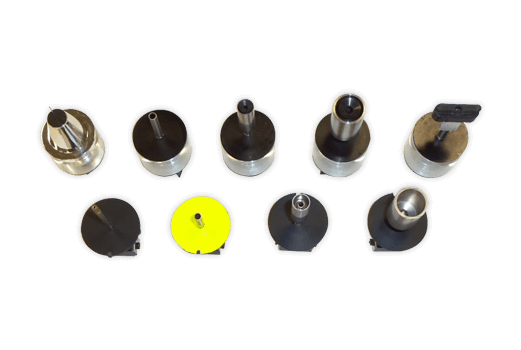
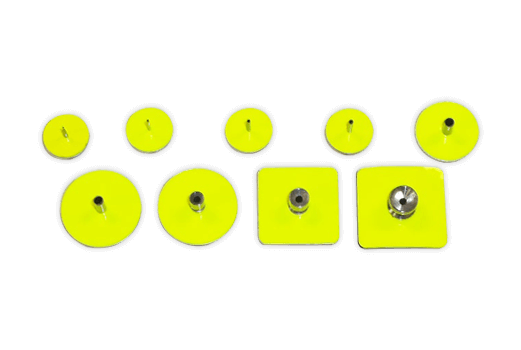
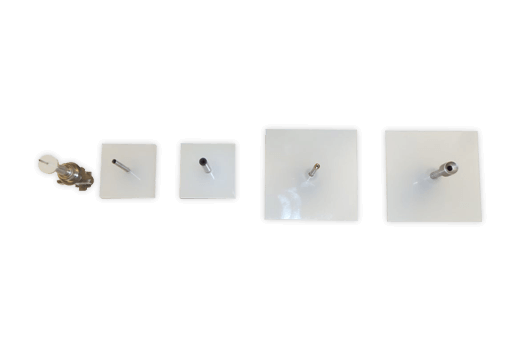
narrow view cameras (over half of the gray-scale), this can allow the nozzle back disk to degrade to the point that the separation value discussed above is less than 100, and the camera cannot process the part body and lead definition. Most customers try to compensate for poor back disks, by increasing the gain level for each camera. This will only aggravate the problem, because by increasing the camera gain level, it will shrink the pixel size of the camera, causing more part body and lead definition problems.

1. Some nozzle back disk manufacturers have problems keeping a consistent level of brightness from one size to another. The smaller diameter nozzles are sometimes bright enough; however, the brightness decreases as the diameter increases. As you have only one brightness tolerance and deviation setting for all nozzle sizes, this can cause problems on larger leaded components.

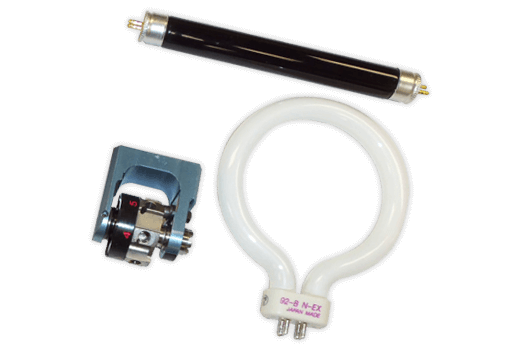
2. Poor condition of the camera lighting, black-light bulbs can cause brightness level problems and image processing problems.

3. Many customers do not understand how the gain and offset levels work. If adjusted improperly they can cause image-processing problems. The gain level is for brightening an image, and the offset is for darkening an image. If you wish to increase the brightness of an image, set the offset to 0, and raise the gain level. If you wish to darken the image, set the gain level to 0, and raise the offset level.

By setting up your machine properly, including backlight tolerances, deviation tolerances, gain and offset level adjustments, and backlight bulb condition, you can reduce image processing time, and processing errors.

Please refer to SMD3 Vision System Setup document for proper setup of your machine. By following thes etup procedure, it will allow you to discern poor back disks, and failing backlight bulbs. Once the setup is performed your machine will monitor nozzle back disk condition. Then it will indicate when back disks need to be cleaned or replaced. This is done without needing to change gain level settings which can adversely affect image processing.

This document is for Fuji CP4-2 through CP643 series machines. There are some differences due to firmware versions. The CP7 series machines have a different baseline adjustment procedure.
If you have any questions, or encounter any problems, please contact me at:

Mike Forseen
Senior Process Engineer
mike@smtresearch.com
Phone (319) 367-5000
Cell (319) 601-1285
Fax (319) 367-5155
<<Prev | 1 | 2 | 3 | 4 | 5 | Next>>
SMT Research Inc.
37575 North Hwy 59
Lake Villa, IL 60046
Phone: (847) 587-7200
Fax: (847) 587-7851
info@smtresearch.com
SMT Research Inc.
Service Center
103 W. Washington St.
New London, IA 52645
Phone: (319) 367-5000
Fax: (319) 367-5155
Home | Overview | Contacts | Downloads | Comments
Content © 2000-2008 SMT Research, Inc. - All rights reserved
Web Development by Attilanet Corporation